
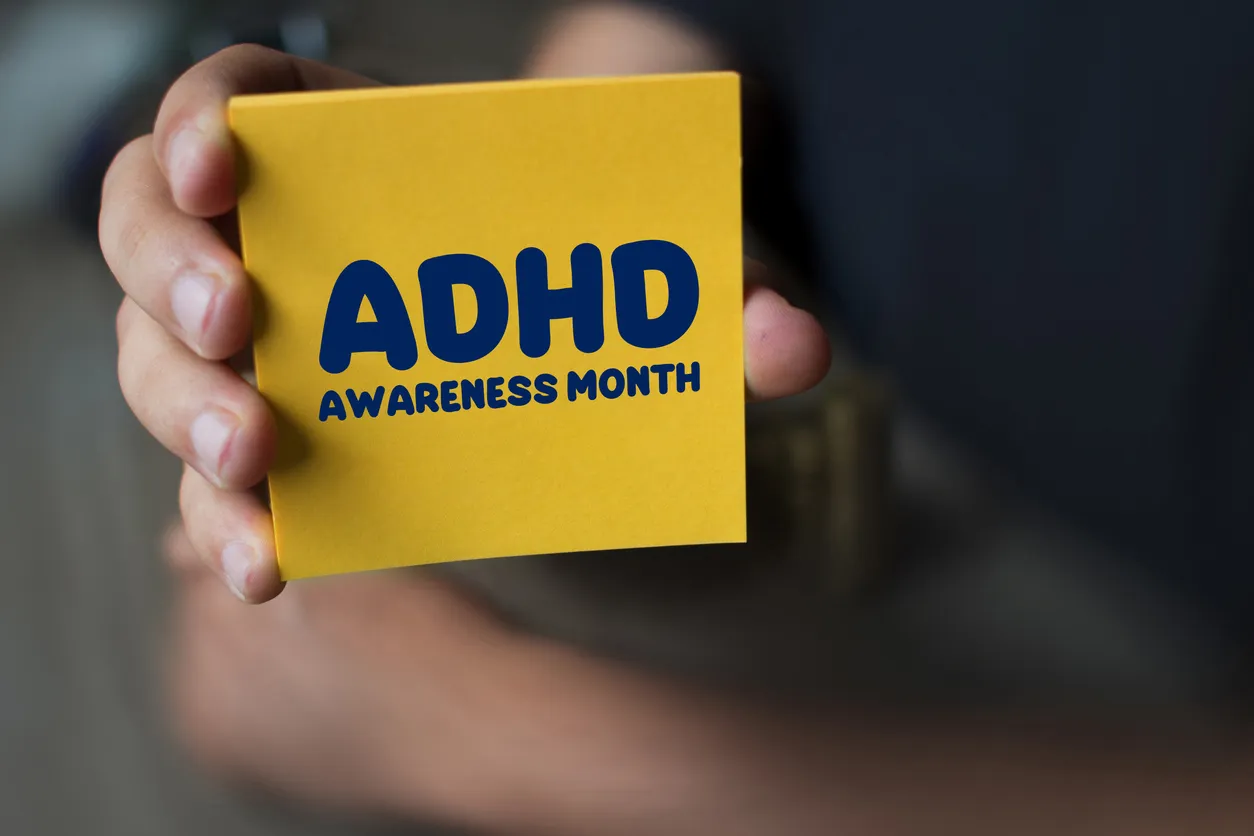
ADHD Awareness Month takes place annually in October, providing an important opportunity for teachers to deepen their understanding of ADHD and enhance the support they provide to their neurodivergent students. This year's theme, 'The Many Faces of ADHD', reminds us that ADHD presents differently across individuals and prompts us to recognise and celebrate these differences in our classrooms.
Contents
- What is ADHD Awareness Month?
- Understanding ADHD
- How teachers can get involved
- Practical classroom strategies
- Further information and resources
What is ADHD Awareness Month?
ADHD Awareness Month is an international campaign held every October to raise awareness and understanding of Attention Deficit Hyperactivity Disorder. The initiative aims to provide reliable information and resources to help people thrive with ADHD.
For 2025, the theme 'The Many Faces of ADHD' encourages the ADHD community to increase awareness by sharing ADHD information and support with all who could benefit. This theme acknowledges the diversity of ADHD presentations and experiences across different individuals.
Understanding ADHD
What is ADHD?
Attention deficit hyperactivity disorder (ADHD) is a neurodevelopmental condition that affects how people think, learn and behave. Despite its name, ADHD is not simply a 'deficit' of attention; rather, as our ADHD toolkit explains:
"ADHD learners rarely have a shortage of attention; in fact, they tend to pay too much attention to everything, often having multiple things going on in their minds at once."
ADHD is characterised by difficulties with:
- Attention and concentration
- Hyperactivity and restlessness
- Impulsivity
- Executive functioning (planning, organising, time management, etc.)
Who does it affect?
ADHD affects approximately 5% of the population, which means that in a typical class of 30 students, at least one or two may have ADHD. While traditionally diagnosed more frequently in boys, there is growing awareness that girls with ADHD are often underdiagnosed because they may present differently, sometimes with less visible hyperactivity.
It's important to note that ADHD is a lifelong condition. Many adults with ADHD are diagnosed only in adulthood, often after their own child's diagnosis. Emma Mahony explores this topic, alongside other ADHD insights, in her article Supporting students with ADHD in the mainstream secondary classroom.
Why is awareness important?
Greater awareness of ADHD is vital for several reasons:
- Early identification leads to timely support and better outcomes for young people
- Understanding reduces stigma and misconceptions about ADHD
- Awareness helps educators implement effective strategies to support learners
- Recognising ADHD as a disability under the Equality Act 2010 ensures appropriate reasonable adjustments
- Improved awareness can transform frustration into success for both teachers and students
How teachers can get involved
There are numerous ways educators can participate in ADHD Awareness Month and enhance their support for ADHD learners:
In your classroom
- Implement reasonable adjustments — get ideas and support from our ADHD toolkit
- Create ADHD-friendly displays with information about famous people with ADHD
- Teach all students about neurodiversity and inclusion
- Review seating arrangements to support ADHD learners' specific needs
- Implement strategies for physical and sensory support (fidget toys, ear defenders, etc.)
In your school
- Host a staff CPD session on supporting students with ADHD — our ADHD toolkit includes a ready-to-use staff training PowerPoint!
- Create a display in the staff room with key ADHD information and teaching strategies
- Review school behaviour policies to ensure they accommodate ADHD learners
- Ensure exam access arrangements are in place for eligible students
- Partner with parents/carers of ADHD learners to share successful strategies
In the wider community
- Share your experiences with ADHD learners through the Express Yourself initiative on the ADHD Awareness Month website
- Participate in or share information about the ADHD Awareness Month Video Contest
- Connect with local ADHD support groups to learn more about community resources
- Follow and share ADHD Awareness Month content on social media
Practical classroom strategies
Our ADHD toolkit outlines numerous evidence-based strategies for supporting ADHD learners. Here are some key approaches to consider implementing:
Cognition and learning support
- Teach metacognitive strategies to help students plan, monitor and evaluate their learning
- Provide memory and self-regulation techniques
- Break down tasks into manageable chunks
- Use timers for activities and breaks
- Make instructions explicit and written where possible
Physical and sensory support
- Provide access to fidget toys or sensory equipment
- Consider using ear defenders or headphones
- Allow movement breaks and flexible seating options
- Ensure healthy snacks and water are available
Social and emotional support
- Work in partnership with parents/carers
- Assign a key staff member as a point of contact
- Provide opportunities for supervised breaks
- Focus on strengths and build self-esteem
- Maintain a positive approach with more praise than criticism
Further information and resources
To learn more about ADHD and how to support learners in your classroom, the following resources are invaluable:
- The official ADHD Awareness Month website offers a wealth of information, including expert Q&As, myth-busting facts, and videos from ADHD specialists
- Teachit's comprehensive ADHD toolkit provides practical strategies and printable resources for supporting ADHD learners across all aspects of school life
- Emma Mahony's insightful article Supporting students with ADHD in the mainstream secondary classroom charts her journey from frustration to success
- Explore other neurodiversity advice and support in Teachit's Special Educational Needs section
Remember, increased awareness and understanding of ADHD can transform the educational experience of ADHD learners. By implementing appropriate strategies and celebrating neurodiversity, we can help all our students thrive.

